Papua's last tropical glacier to vanish within two years
Puncak Jaya's remaining snow is expected to disappear entirely in a year or two.

Glacier cover around Puncak Jaya has shrunk from nearly 1,900 hectares (4,700 acres) in the 19th century to about 16 hectares (40 acres) today, the BBC reported. Czech glacier ecologist Marie Šabacká traveled to the peak last March to be among the last scientists to study Papua's "eternal snow."
"There is a profound unfairness in this," Šabacká said. Papua's tropical glaciers are the last remaining tropical ice between the Andes and Himalayas. Ice cores from Puncak Jaya preserve a record of climate history, but the archive is disappearing before scientists can fully study it.
Why the ice is vanishing
The retreat is driven by a warming atmosphere from burning fossil fuels, according to the BBC. As temperatures rise, more precipitation falls as rain instead of snow, and El Niño events can accelerate the process. The peaks sit about 450km (280 miles) south of the equator, where permanent ice survives only at high altitudes.
U.S. winter outlook points warmer
While Papua's ice disappears, U.S. forecasters are calling for a warmer-than-normal winter across most of the country. The Old Farmer's Almanac expects mild conditions for most of the U.S., with a cold winter only in the Ohio Valley and southern New England, WANE 15 reported. The Farmers' Almanac forecasts snowy precipitation in the upper Plains and Midwest and wet conditions across the South.
NOAA's Climate Prediction Center also leans toward above-average temperatures through January, and a supercharged El Niño is nearly certain to last into spring 2027. That pattern is expected to bring warmer, drier conditions to northern U.S. states and cooler, wetter conditions to the South.
In Papua, the same El Niño pattern can accelerate glacier retreat. Danish researcher Klaus Thymann, who has mapped the ice with drones, says the glaciated area has receded by 95% from the early 2000s to 2025. "There's almost no ice left. Those are the facts," he said.
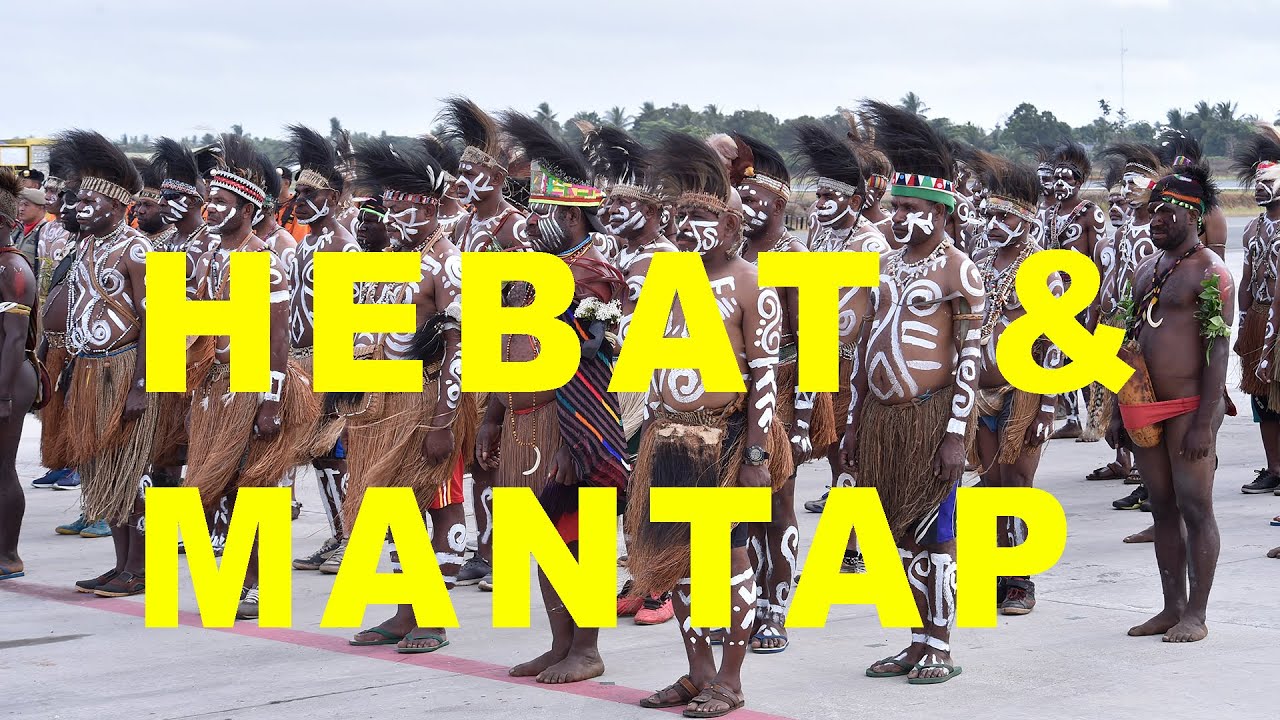
Indigenous groups have strong spiritual ties to the mountain. The Amungme people call it Nemangkawi, or "White Arrow." Activist Adolfina Kum says losing the mountain is like pulling out the roots of a tree. Freeport, which operates the Grasberg mine, has been approached for comment by the BBC. The remaining snow is expected to disappear entirely in a year or two.
Sources (4)
- autoblog.comautoblog.com
- delawareonline.comdelawareonline.com
- wane.comwane.com
- bbc.combbc.com